
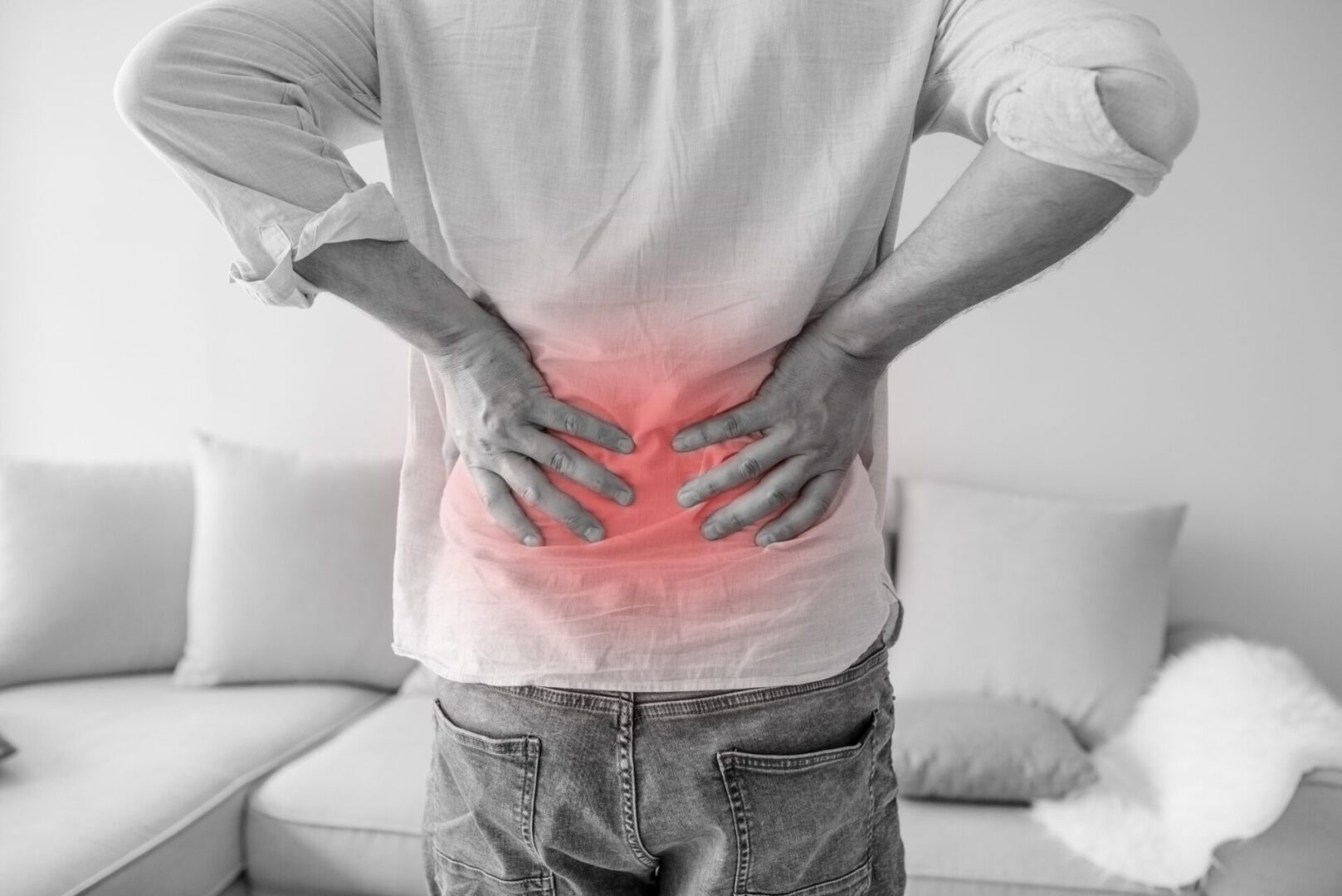
WEEK 1 — May 26, 2026 (Articles #25 · #26 · #27 · #28 · #19-EN)
ARTICLE 25 · 🇺🇸 English · Tuesday, May 26, 2026
10 Things Your Spine Does Every Day That You Take for Granted
You don’t think about your spine — until it hurts.
And when it does hurt, everything stops. You can’t sit comfortably. You can’t sleep. Even getting out of bed feels like work.
But here’s the thing: your spine is working hard every single day — even when you don’t notice it. Let’s look at what it actually does.
1. It Holds You Upright
Your spine is the column that keeps your body standing tall. Without it, you’d collapse. It carries the weight of your head (about 10–12 pounds) and your upper body — all day, every day.
2. It Lets You Move
Every time you bend, twist, reach, or turn — that’s your spine working. It has over 100 joints that allow movement in multiple directions.
3. It Protects Your Spinal Cord
Inside your spine is the spinal cord — the main highway between your brain and your body. Your vertebrae (the bones of your spine) form a protective tunnel around it.
4. It Absorbs Shock
Between each vertebra is a soft disc. Think of these discs like cushions. Every time you walk, run, or jump, those discs absorb the impact so your bones don’t grind against each other.
5. It Sends Signals From Head to Toe
Every movement your body makes starts as a signal from your brain. That signal travels through your spinal cord to reach your muscles, organs, and limbs. If something compresses or irritates the cord or nearby nerves, signals get disrupted — and that can cause pain, numbness, or weakness.
| Feeling that disruption already? Call DR²SPINE at (813) 597-3405 — we can help you find out why. |
6. It Supports Your Breathing
Your rib cage attaches to your thoracic spine (the middle part of your back). The joints there allow your ribs to expand when you breathe. If those joints stiffen up, breathing can feel harder than it should.
7. It Houses Your Nervous System
31 pairs of spinal nerves branch out from your spine and travel throughout your body. They control everything from your bladder to your fingertips. That’s why a spine problem can cause pain, tingling, or weakness far from where the actual issue is.
8. It Adapts to Your Posture
Your spine is not straight — it has natural curves. These curves help balance your body and distribute weight. Sitting for hours, looking at a screen, or carrying a heavy bag can change those curves over time, leading to pain.
9. It Stores Bone Marrow
Inside your vertebrae is bone marrow — the tissue that produces blood cells. It’s also one of the sources used in regenerative treatments like BMAC (Bone Marrow Aspirate Concentrate), which DR²SPINE uses to help injured spines heal.
10. It Ages — But That Doesn’t Mean You Have to Hurt
Like all parts of your body, your spine changes over time. Discs get thinner. Joints wear down. But aging doesn’t mean you are sentenced to a life of pain.
Many patients come to DR²SPINE after years of assuming pain was just ‘part of getting older.’ It’s not. There are real options — without surgery, without opioids.
Dr. Myrdalis Díaz-Ramírez has over 25 years of experience in interventional pain management and regenerative medicine. She trained at Harvard and MIT. And she specializes in figuring out exactly what’s going on with your spine — and what to do about it.
| Ready to explore your options without surgery or opioids? Call (813) 597-3405 or visit www.dr2spine.com |
ARTICLE 26 · 🇪🇸 Español · Martes, 26 de mayo de 2026
10 cosas que tu columna hace todos los días que das por sentado
No piensas en tu columna… hasta que duele.
Y cuando duele, todo se detiene. No puedes sentarte bien. No puedes dormir. Hasta levantarte de la cama se siente como un esfuerzo enorme.
Pero aquí está la realidad: tu columna trabaja duro todos los días — aunque no lo notes. Veamos lo que realmente hace.
1. Te mantiene de pie
Tu columna es el eje que sostiene todo tu cuerpo. Carga el peso de tu cabeza (entre 4 y 5 kilos) y de toda tu parte superior — todo el día, cada día.
2. Te permite moverte
Cada vez que te doblas, giras, te estiras o te volteas — tu columna está trabajando. Tiene más de 100 articulaciones que permiten movimiento en múltiples direcciones.
3. Protege tu médula espinal
Dentro de tu columna está la médula espinal — la autopista principal entre tu cerebro y tu cuerpo. Las vértebras forman un túnel protector a su alrededor.
4. Absorbe los impactos
Entre cada vértebra hay un disco blando. Piensa en estos discos como cojines. Cada vez que caminas, corres o saltas, esos discos absorben el golpe para que tus huesos no rocen entre sí.
5. Transmite señales de la cabeza a los pies
Cada movimiento que hace tu cuerpo comienza como una señal de tu cerebro. Esa señal viaja por la médula espinal hacia tus músculos, órganos y extremidades. Si algo comprime los nervios cercanos, las señales se interrumpen — y eso puede causar dolor, entumecimiento o debilidad.
| ¿Ya sientes esa interrupción? Llama a DR²SPINE al (813) 597-3405 — podemos ayudarte a encontrar la causa. |
6. Apoya tu respiración
Tu caja torácica se conecta a la columna torácica (la parte media de tu espalda). Las articulaciones de esa zona permiten que tus costillas se expandan al respirar. Si esas articulaciones se ponen rígidas, respirar puede sentirse más difícil de lo normal.
7. Alberga tu sistema nervioso
31 pares de nervios espinales salen de tu columna y viajan por todo tu cuerpo. Controlan desde tu vejiga hasta las puntas de tus dedos. Por eso un problema en la columna puede causar síntomas en lugares muy lejos del origen real.
8. Se adapta a tu postura
Tu columna no es recta — tiene curvas naturales. Esas curvas ayudan a equilibrar tu cuerpo y distribuir el peso. Sentarse por horas o cargar bolsas pesadas puede alterar esas curvas con el tiempo, provocando dolor.
9. Almacena médula ósea
Dentro de tus vértebras hay médula ósea — el tejido que produce células sanguíneas. También es una de las fuentes usadas en tratamientos regenerativos como el BMAC, que DR²SPINE utiliza para ayudar a que columnas lesionadas sanen.
10. Envejece — pero eso no significa que tengas que vivir con dolor
Como todas las partes de tu cuerpo, tu columna cambia con el tiempo. Los discos se adelgazan. Las articulaciones se desgastan. Pero envejecer no significa que estés condenado a una vida de dolor.
Muchos pacientes llegan a DR²SPINE después de años creyendo que el dolor era ‘cosa de la edad.’ No lo es. Existen opciones reales — sin cirugía, sin opioides.
La Dra. Myrdalis Díaz-Ramírez tiene más de 25 años de experiencia en manejo del dolor y medicina regenerativa. Se formó en Harvard y MIT. Y se especializa en encontrar exactamente qué está pasando con tu columna — y qué hacer al respecto.
| ¿Listo para explorar tus opciones? Llama al (813) 597-3405 o visita www.dr2spine.com |
ARTICLE 27 · 🇺🇸 English · Tuesday, May 26, 2026
Why Treating Just the Pain Is Not Enough: The Spine-as-a-System Approach
You’ve had a sore back for months. You take something for the pain. It helps a little. Then the pain comes back.
Sound familiar?
Here’s why that happens — and why most pain treatments miss the point.
Pain Is a Symptom, Not the Problem
Pain is your body’s alarm system. It tells you something is wrong. But treating pain alone is like taking the battery out of a smoke alarm. The alarm stops — but the fire is still there.
Most pain treatments focus on relieving the symptom. That’s why people go back to the doctor again and again — because the root cause was never found.
Your Spine Is Not Just Bones
Many people think of the spine as just a stack of bones. But it’s much more than that. Your spine is a complete system. It includes:
- Bones (vertebrae) that provide structure
- Discs that cushion each joint
- Nerves that carry signals to your whole body
- Muscles and ligaments that hold it all together
- Blood vessels that supply nutrients to every part
When one part of this system is off, the others feel it too.
Why One-Size-Fits-All Treatment Fails
Two people can have the same back pain and completely different causes.
One might have a herniated disc pressing on a nerve. Another might have inflammation from a gut health problem. A third might have tight hip muscles pulling the spine out of alignment.
Treating all three the same way doesn’t work. That’s why so many people try treatment after treatment and still hurt.
| Not sure what’s really causing your pain? Call (813) 597-3405 — we’ll help you find the actual answer. |
The DR²SPINE Approach: Whole-Person, Whole-Spine
At DR²SPINE, Dr. Myrdalis Díaz-Ramírez uses a method called the DR² Restore Motion Method. It’s built on one core idea:
You can’t fix the spine without looking at the whole person.
That means she doesn’t just ask where it hurts. She asks:
- How are you sleeping?
- What does your gut health look like?
- Are your hormones balanced?
- What can’t you do now that you used to do?
The answers to these questions change the treatment. And the treatment changes the outcome.
What a System-Based Approach Looks Like
When you come to DR²SPINE, the process starts with a detailed evaluation. Dr. Díaz uses advanced imaging to see exactly what’s happening inside your spine — not just a general guess.
Then she builds a treatment plan specific to you. It may include regenerative therapies like PRP or BMAC. It may include laser therapy, IV optimization, or functional medicine. Often it’s a combination.
The goal is never just less pain. The goal is full function — getting your life back.
This Is What 25 Years of Experience Looks Like
Dr. Díaz-Ramírez has spent over 25 years studying and treating pain at top medical institutions — including Harvard and MIT. She is double board-certified in interventional pain management and physical medicine.
She doesn’t treat symptoms. She treats people.
| Ready to find out what’s really going on with your spine? Call (813) 597-3405 or visit www.dr2spine.com |
ARTICLE 28 · 🇪🇸 Español · Martes, 26 de mayo de 2026
Por qué tratar solo el dolor no es suficiente: el enfoque de la columna como sistema
Llevas meses con dolor de espalda. Tomas algo para el dolor. Mejora un poco. Y luego el dolor vuelve.
¿Te suena conocido?
Aquí está la razón — y por qué la mayoría de los tratamientos para el dolor no llegan al fondo del problema.
El dolor es un síntoma, no el problema
El dolor es el sistema de alarma de tu cuerpo. Te dice que algo está mal. Pero tratar solo el dolor es como quitarle la pila a una alarma de humo. La alarma deja de sonar — pero el fuego sigue ahí.
La mayoría de los tratamientos se enfocan en aliviar el síntoma. Por eso muchas personas regresan al médico una y otra vez — porque nunca se encontró la causa raíz del problema.
Tu columna no son solo huesos
Mucha gente piensa en la columna como una pila de huesos. Pero es mucho más que eso. Tu columna es un sistema completo. Incluye:
- Huesos (vértebras) que dan estructura
- Discos que amortiguan cada articulación
- Nervios que llevan señales a todo el cuerpo
- Músculos y ligamentos que lo mantienen todo unido
- Vasos sanguíneos que llevan nutrientes a cada parte
Cuando una parte de este sistema falla, las demás también lo sienten.
Por qué el tratamiento genérico no funciona
Dos personas pueden tener el mismo dolor de espalda y causas completamente distintas.
Una puede tener un disco herniado presionando un nervio. Otra puede tener inflamación causada por un problema intestinal. Una tercera puede tener músculos de la cadera tensos que jalan la columna fuera de su lugar.
Tratar a las tres de la misma manera no funciona. Por eso tanta gente prueba tratamiento tras tratamiento y sigue con dolor.
| ¿No sabes qué está causando realmente tu dolor? Llama al (813) 597-3405 — te ayudamos a encontrar la respuesta real. |
El enfoque DR²SPINE: persona completa, columna completa
En DR²SPINE, la Dra. Myrdalis Díaz-Ramírez utiliza un método llamado el Método DR² Restore Motion. Está basado en una idea central:
No puedes tratar la columna sin ver a la persona completa.
Eso significa que ella no solo pregunta dónde duele. Pregunta:
- ¿Cómo estás durmiendo?
- ¿Cómo está tu salud intestinal?
- ¿Tienes tus hormonas en balance?
- ¿Qué dejaste de poder hacer que antes hacías?
Las respuestas a estas preguntas cambian el tratamiento. Y el tratamiento cambia el resultado.
Cómo se ve un enfoque basado en el sistema
Cuando llegas a DR²SPINE, el proceso comienza con una evaluación detallada. La Dra. Díaz usa imágenes avanzadas para ver exactamente qué está pasando dentro de tu columna — no una suposición general.
Luego diseña un plan de tratamiento específico para ti. Puede incluir terapias regenerativas como PRP o BMAC, terapia láser, optimización IV, o medicina funcional. Con frecuencia es una combinación.
El objetivo nunca es solo menos dolor. El objetivo es recuperar tu función completa — recuperar tu vida.
Esto es lo que 25 años de experiencia produce
La Dra. Díaz-Ramírez ha pasado más de 25 años estudiando y tratando el dolor en instituciones médicas de primer nivel — incluyendo Harvard y MIT. Está doblemente certificada en manejo del dolor intervencionista y medicina física.
Ella no trata síntomas. Trata personas.
| ¿Listo para descubrir qué está pasando realmente con tu columna? Llama al (813) 597-3405 or visita www.dr2spine.com |
ARTICLE 19-EN · 🇺🇸 English · Tuesday, May 19, 2026
Why Sitting Still Makes Back Pain Worse — and What to Do Instead
You hurt your back. So you rest.
That makes sense — right?
Not exactly. For most types of back pain, staying still is one of the worst things you can do. Here’s what the science says — and what actually helps.
What Happens to Your Spine When You Stop Moving
Your spine is kept alive by movement. Sounds dramatic, but it’s true.
The discs between your vertebrae don’t have their own blood supply. They get nutrients the same way a sponge absorbs water — through movement. When you move, discs absorb fluid and nutrients. When you stay still, they dry out and compress.
A compressed disc is more likely to bulge, crack, or press on a nerve. Rest doesn’t heal it. Movement does.
How Sitting Still Triggers a Pain Cycle
Here’s what often happens when someone with back pain decides to rest for days or weeks:
- Muscles around the spine weaken from lack of use
- Joints stiffen and lose their range of motion
- Inflammation builds up without the circulation that movement brings
- The nervous system becomes more sensitive — pain signals get amplified
- Fear of movement increases, making every small motion feel dangerous
By the time the person starts moving again, everything hurts more — not less. The rest didn’t help. It made things worse.
The Research Is Clear
Decades of clinical research agree: for most non-emergency back pain, early movement leads to faster recovery than bed rest.
This doesn’t mean running a marathon. It means gentle, consistent movement — the kind that keeps blood flowing, muscles working, and joints mobile.
| Not sure which movements are safe for your specific back pain? Call DR²SPINE at (813) 597-3405 — we’ll tell you exactly what to do. |
What to Do Instead of Resting
The goal isn’t to push through sharp pain. The goal is to keep moving within a comfortable range. Here’s what that looks like:
- Short walks — even 5 to 10 minutes, several times a day
- Gentle stretching — especially the hips, hamstrings, and lower back
- Swimming or water therapy — takes pressure off the spine while keeping you moving
- Specific movement prescribed by a spine specialist — not generic YouTube exercises
The key word is gentle. Not aggressive. Not painful. Just consistent.
When Rest Is Appropriate
There are situations where rest is the right call — but they’re more specific than most people think:
- Immediately after a new, acute injury (24–48 hours)
- After a spine procedure, during the prescribed recovery window
- When there’s nerve compression causing leg weakness or loss of bladder control — see a doctor immediately
Outside of these situations, gentle movement is almost always better than lying still.
The DR²SPINE Approach to Movement and Recovery
At DR²SPINE, the DR² Restore Motion Method is built around one core belief: movement is medicine.
Dr. Myrdalis Díaz-Ramírez — double board-certified, trained at Harvard and MIT — doesn’t just treat the pain. She maps exactly what’s damaged, what’s weak, and what the spine needs to function again.
Treatment may include regenerative therapies like PRP or BMAC to heal the damaged tissue, laser therapy to reduce inflammation, and a specific movement plan tailored to your case.
The goal isn’t just less pain. The goal is to get you moving again — fully, freely, and without surgery.
| Ready to stop resting and start recovering? Call (813) 597-3405 or visit www.dr2spine.com |
WEEK 2 — May 29, 2026 (Articles #29 · #30 · #31 · #32 · #19-ES)
ARTICLE 29 · 🇺🇸 English · Friday, May 29, 2026
How Do You Know If Your Back Pain Is Serious? Here Are the Real Warning Signs.
Back pain is incredibly common. Most of the time, it’s not an emergency.
But sometimes, it is.
Knowing the difference can save your spine — and in some cases, your life. Here’s what to watch for.
Warning Signs You Should Never Ignore
These symptoms mean you need to see a specialist right away — not wait and see if it gets better:
- Pain that shoots down one or both legs
- Numbness or tingling in your legs, feet, groin, or bladder area
- Loss of bladder or bowel control — this is a medical emergency
- Weakness in your legs that came on suddenly
- Pain that woke you up from sleep
- Back pain after a fall, car accident, or injury
- Pain combined with fever, unexplained weight loss, or night sweats
If you have any of these, don’t wait. Call a specialist.
Signs That Your Pain Is Becoming Chronic
Not all serious back pain is an emergency. But some patterns tell you something deeper is going on:
- Pain lasting more than 6 weeks with no improvement
- Pain that keeps coming back after it seems to go away
- Pain that spreads — starting in one area and moving to others
- Pain that gets worse with sitting, standing, or specific movements
- Pain that doesn’t respond to rest, heat, or over-the-counter medication
Chronic pain is not something you should push through. It’s a signal that the root cause hasn’t been found.
| Has your back pain been going on too long? Call DR²SPINE at (813) 597-3405 — let’s find what’s actually causing it. |
Pain That ‘Sounds Normal’ But Isn’t
Some pain patterns get dismissed because they seem minor. But these deserve attention:
- Stiffness every morning that takes more than 30 minutes to ease up
- Pain that comes with clicking, popping, or locking sensations in your back
- Hip pain that your doctor says is ‘normal aging’
- Burning, electric, or sharp shooting pain
These are not normal. They’re your spine asking for help.
What DR²SPINE Does Differently
Most pain clinics treat the symptom. At DR²SPINE, Dr. Myrdalis Díaz-Ramírez starts by finding the cause.
Using advanced image guidance and a whole-person evaluation, she identifies exactly what’s happening — not just where it hurts, but why.
Then she builds a treatment plan using regenerative medicine, interventional techniques, and functional medicine — tailored to your specific case. No cookie-cutter solutions.
You Don’t Have to Live With This
Back pain is not a life sentence. Even long-standing, serious pain can often be addressed without surgery or opioids.
Dr. Díaz-Ramírez has helped hundreds of patients in Florida who were told they had ‘no other options.’ Most of them did.
| Ready to find out if this is right for you? Call (813) 597-3405 or visit www.dr2spine.com |
ARTICLE 30 · 🇪🇸 Español · Viernes, 29 de mayo de 2026
¿Cómo saber si tu dolor de espalda es grave? Estas son las señales reales de alerta.
El dolor de espalda es muy común. La mayoría de las veces no es una emergencia.
Pero a veces sí lo es.
Saber la diferencia puede salvar tu columna — y en algunos casos, tu vida. Esto es lo que debes observar.
Señales de alerta que nunca debes ignorar
Estos síntomas significan que necesitas ver a un especialista de inmediato — no esperar a ver si mejoran:
- Dolor que baja por una o las dos piernas
- Entumecimiento u hormigueo en piernas, pies, ingle o área de la vejiga
- Pérdida de control de vejiga o intestinos — esto es una emergencia médica
- Debilidad repentina en las piernas
- Dolor que te despertó mientras dormías
- Dolor de espalda después de una caída, accidente de auto o lesión
- Dolor combinado con fiebre, pérdida de peso inexplicable o sudores nocturnos
Si tienes alguno de estos síntomas, no esperes. Llama a un especialista.
Señales de que tu dolor se está volviendo crónico
No todo dolor de espalda serio es una emergencia. Pero algunos patrones indican que algo más profundo está pasando:
- Dolor que dura más de 6 semanas sin mejorar
- Dolor que regresa después de parecer que se fue
- Dolor que se expande — comienza en un área y se mueve a otras
- Dolor que empeora al sentarse, pararse o con movimientos específicos
- Dolor que no responde al descanso, calor o medicamentos de venta libre
El dolor crónico no es algo que debas aguantar. Es una señal de que la causa raíz aún no se ha encontrado.
| ¿Tu dolor de espalda lleva demasiado tiempo? Llama a DR²SPINE al (813) 597-3405 — encontremos lo que realmente lo causa. |
Dolores que ‘parecen normales’ pero no lo son
Algunos patrones de dolor se ignoran porque parecen menores. Pero estos merecen atención:
- Rigidez matutina que tarda más de 30 minutos en ceder
- Dolor con sensaciones de clic, pop o bloqueo en la espalda
- Dolor de cadera que tu médico dice que es ‘normal por la edad’
- Sensaciones de ardor, electricidad o dolor punzante
Estos no son normales. Son tu columna pidiendo ayuda.
Lo que DR²SPINE hace diferente
La mayoría de las clínicas de dolor tratan el síntoma. En DR²SPINE, la Dra. Myrdalis Díaz-Ramírez comienza por encontrar la causa.
Usando imágenes de guía avanzada y una evaluación de persona completa, identifica exactamente qué está pasando — no solo dónde duele, sino por qué.
Luego construye un plan de tratamiento con medicina regenerativa, técnicas intervencionistas y medicina funcional — adaptado a tu caso específico. Sin soluciones genéricas.
No tienes que vivir con esto
El dolor de espalda no es una sentencia de vida. Incluso el dolor grave y de larga data puede tratarse sin cirugía ni opioides.
La Dra. Díaz-Ramírez ha ayudado a cientos de pacientes en Florida que les dijeron que ‘no tenían más opciones.’ La mayoría sí las tenía.
| ¿Listo para explorar tus opciones? Llama al (813) 597-3405 or visita www.dr2spine.com |
ARTICLE 31 · 🇺🇸 English · Friday, May 29, 2026
Why Taking Opioids for Back Pain Often Makes Things Worse Over Time
Opioids can make pain feel better — at first.
But over time, for many people with back pain, the picture gets more complicated. And often, worse.
This is not about judgment. Many people are prescribed opioids by doctors who genuinely want to help. But there’s something important you need to know.
What Opioids Actually Do
Opioids work by blocking pain signals in your brain. They don’t fix the problem in your spine. They mute the alarm.
For short-term acute pain — like after surgery or a severe injury — they can be appropriate. But for chronic back pain? The research tells a different story.
The Problem With Long-Term Opioid Use for Back Pain
Here’s what tends to happen when someone takes opioids for chronic back pain over months or years:
- The body builds tolerance — the same dose stops working as well
- The dose goes up — and so do the side effects
- The spine problem is still there — untouched and often progressing
- Physical dependence develops — stopping becomes difficult
- Quality of life often declines — fatigue, brain fog, and mood changes become common
The pain wasn’t treated. It was just hidden. And while it was hidden, the underlying condition often got worse.
When Pain Medication Creates More Pain
There is a condition called opioid-induced hyperalgesia. It means this: long-term use of opioids can make your nervous system more sensitive to pain.
In other words — the medication meant to reduce pain can end up increasing it.
This is documented and more common than most people realize. It’s one reason why many patients feel worse over time despite staying on opioids.
| Still relying on opioids for back pain? There are other options. Call (813) 597-3405 — let’s talk about what else is possible. |
What Works Instead
There is no shame in having used opioids. Many people had no other option — or weren’t told about other options. But real alternatives exist that address the root cause, not just the sensation:
- PRP (Platelet-Rich Plasma) — uses your own blood to trigger healing in damaged tissue
- BMAC (Bone Marrow Aspirate Concentrate) — uses your body’s own regenerative cells
- Image-guided interventional procedures — target the exact source of pain with precision
- M7-MLS Laser therapy — reduces inflammation and pain with no downtime
- Functional medicine — addresses root causes like inflammation, gut health, and hormonal imbalances
These treatments don’t just mask pain. They work toward actually fixing the problem.
DR²SPINE’s Commitment: Zero Opioid Dependency
At DR²SPINE, Dr. Myrdalis Díaz-Ramírez built her practice around a simple principle: you should get better, not dependent.
Every treatment plan at DR²SPINE is designed to move toward less medication — not more. The goal is always full function and real recovery.
Dr. Díaz has helped patients in Florida who were on long-term opioids find a path to relief through regenerative medicine — many reducing or eliminating their medications under physician guidance.
| Ready to explore options beyond opioids? Call (813) 597-3405 or visit www.dr2spine.com |
ARTICLE 32 · 🇪🇸 Español · Viernes, 29 de mayo de 2026
Por qué tomar opioides para el dolor de espalda suele empeorar las cosas con el tiempo
Los opioides pueden hacer que el dolor se sienta mejor — al principio.
Pero con el tiempo, para muchas personas con dolor de espalda, el panorama se complica. Y con frecuencia, empeora.
Esto no es un juicio. Muchas personas reciben opioides de médicos que genuinamente quieren ayudar. Pero hay algo importante que necesitas saber.
Lo que los opioides realmente hacen
Los opioides funcionan bloqueando las señales de dolor en tu cerebro. No arreglan el problema en tu columna. Apagan la alarma.
Para el dolor agudo a corto plazo — como después de una cirugía o una lesión grave — pueden ser apropiados. Pero ¿para el dolor crónico de espalda? La investigación cuenta una historia diferente.
El problema con el uso prolongado de opioides
Esto es lo que tiende a pasar cuando alguien toma opioides para el dolor crónico durante meses o años:
- El cuerpo desarrolla tolerancia — la misma dosis deja de funcionar igual de bien
- La dosis aumenta — y con ella los efectos secundarios
- El problema en la columna sigue ahí — sin tocar y a menudo progresando
- Se desarrolla dependencia física — dejar de tomarlo se vuelve difícil
- La calidad de vida suele bajar — fatiga, niebla mental y cambios de humor se vuelven comunes
El dolor no fue tratado. Solo fue escondido. Y mientras estaba escondido, la condición subyacente a menudo empeoró.
Cuando el medicamento crea más dolor
Existe una condición llamada hiperalgesia inducida por opioides. Significa esto: el uso prolongado de opioides puede hacer que tu sistema nervioso se vuelva más sensible al dolor.
En otras palabras — el medicamento que debía reducir el dolor puede terminar aumentándolo.
Está documentado y es más común de lo que la mayoría cree. Es una razón por la que muchos pacientes se sienten peor con el tiempo aunque sigan tomando opioides.
| ¿Todavía dependes de opioides para el dolor de espalda? Hay otras opciones. Llama al (813) 597-3405 — hablemos de qué más es posible. |
Qué funciona en su lugar
No hay vergüenza en haber usado opioides. Muchas personas no tenían otra opción — o no les informaron sobre otras opciones. Pero existen alternativas reales que abordan la causa raíz:
- PRP (Plasma Rico en Plaquetas) — usa tu propia sangre para activar la curación en tejido dañado
- BMAC (Concentrado de Aspirado de Médula Ósea) — usa las células regenerativas de tu propio cuerpo
- Procedimientos intervencionistas guiados por imagen — apuntan con precisión a la fuente exacta del dolor
- Terapia láser M7-MLS — reduce la inflamación y el dolor sin tiempo de recuperación
- Medicina funcional — aborda causas raíz como inflamación, salud intestinal y desequilibrios hormonales
Estos tratamientos no solo enmascaran el dolor. Trabajan para realmente solucionar el problema.
El compromiso de DR²SPINE: cero dependencia de opioides
En DR²SPINE, la Dra. Myrdalis Díaz-Ramírez construyó su práctica alrededor de un principio simple: debes mejorar, no volverte dependiente.
Cada plan de tratamiento en DR²SPINE está diseñado para avanzar hacia menos medicación — no más. El objetivo siempre es función completa y recuperación real.
La Dra. Díaz ha ayudado a pacientes en Florida que estaban tomando opioides a largo plazo a encontrar alivio a través de la medicina regenerativa — muchos de ellos reduciendo o eliminando sus medicamentos bajo supervisión médica.
| ¿Listo para explorar opciones más allá de los opioides? Llama al (813) 597-3405 or visita www.dr2spine.com |
ARTICLE 19-ES · 🇪🇸 Español · Martes, 19 de mayo de 2026
Por qué quedarte quieto empeora el dolor de espalda — y qué hacer en cambio
Te duele la espalda. Así que descansas.
Tiene sentido — ¿verdad?
No exactamente. Para la mayoría de los tipos de dolor de espalda, quedarte quieto es una de las peores cosas que puedes hacer. Esto es lo que dice la ciencia — y qué ayuda realmente.
Qué le pasa a tu columna cuando dejas de moverte
Tu columna se mantiene saludable gracias al movimiento. Suena fuerte, pero es verdad.
Los discos entre tus vértebras no tienen su propio suministro de sangre. Obtienen nutrientes de la misma forma que una esponja absorbe agua — a través del movimiento. Cuando te mueves, los discos absorben líquido y nutrientes. Cuando te quedas quieto, se secan y se comprimen.
Un disco comprimido tiene más probabilidad de abultarse, agrietarse o presionar un nervio. El descanso no lo sana. El movimiento sí.
Cómo quedarse quieto genera un ciclo de dolor
Esto es lo que suele pasar cuando alguien con dolor de espalda decide descansar por días o semanas:
- Los músculos alrededor de la columna se debilitan por falta de uso
- Las articulaciones se ponen rígidas y pierden su rango de movimiento
- La inflamación aumenta sin la circulación que el movimiento trae
- El sistema nervioso se vuelve más sensible — las señales de dolor se amplifican
- El miedo al movimiento aumenta, haciendo que cualquier movimiento pequeño parezca peligroso
Cuando la persona finalmente empieza a moverse, todo duele más — no menos. El descanso no ayudó. Empeoró las cosas.
La investigación es clara
Décadas de investigación clínica coinciden: para la mayoría del dolor de espalda no urgente, el movimiento temprano lleva a una recuperación más rápida que el reposo en cama.
Esto no significa correr una maratón. Significa movimiento suave y constante — el tipo que mantiene la circulación activa, los músculos funcionando y las articulaciones móviles.
| ¿No sabes qué movimientos son seguros para tu dolor de espalda específico? Llama a DR²SPINE al (813) 597-3405 — te decimos exactamente qué hacer. |
Qué hacer en lugar de descansar
El objetivo no es empujar a través del dolor agudo. El objetivo es seguir moviéndote dentro de un rango cómodo. Así se ve eso:
- Caminatas cortas — incluso 5 a 10 minutos, varias veces al día
- Estiramientos suaves — especialmente caderas, isquiotibiales y zona lumbar
- Natación o terapia en agua — quita la presión de la columna mientras te mantiene activo
- Movimiento específico prescrito por un especialista en columna — no ejercicios genéricos de internet
La palabra clave es suave. No agresivo. No doloroso. Solo constante.
Cuándo el descanso sí es apropiado
Hay situaciones donde el descanso es la decisión correcta — pero son más específicas de lo que la mayoría cree:
- Inmediatamente después de una lesión aguda nueva (24 a 48 horas)
- Después de un procedimiento en la columna, durante la ventana de recuperación prescrita
- Cuando hay compresión de nervios que causa debilidad en las piernas o pérdida de control de vejiga — ve al médico de inmediato
Fuera de estas situaciones, el movimiento suave es casi siempre mejor que quedarte quieto.
El enfoque DR²SPINE hacia el movimiento y la recuperación
En DR²SPINE, el Método DR² Restore Motion está construido alrededor de una creencia central: el movimiento es medicina.
La Dra. Myrdalis Díaz-Ramírez — doblemente certificada, formada en Harvard y MIT — no solo trata el dolor. Mapea exactamente qué está dañado, qué está débil y qué necesita la columna para volver a funcionar.
El tratamiento puede incluir terapias regenerativas como PRP o BMAC para sanar el tejido dañado, terapia láser para reducir la inflamación, y un plan de movimiento específico adaptado a tu caso.
El objetivo no es solo menos dolor. El objetivo es que vuelvas a moverte — plenamente, libremente y sin cirugía.
| ¿Listo para dejar de descansar y empezar a recuperarte? Llama al (813) 597-3405 or visita www.dr2spine.com |
