
Spinal Stenosis Explained: Symptoms, Causes, and Treatment Options
Maybe you can walk to the mailbox, but not around the block. Maybe you get halfway through the grocery store, you lean on the cart, and suddenly you feel better. Maybe your legs feel heavy, or your hands feel clumsy when you button a shirt. And nobody has really explained why.
I want to explain it. Simply. That’s it. Let’s go.
I’m Dr. Myrdalis Díaz-Ramírez. My background includes 25+ years as a board-certified interventional pain physician, with experience in minimally invasive spine surgery, along with a full spectrum of regenerative and pain management therapies. So, when I talk about spinal stenosis, I’m looking at the whole range of options, from conservative care all the way to knowing when surgery makes sense.
What Is Spinal Stenosis?
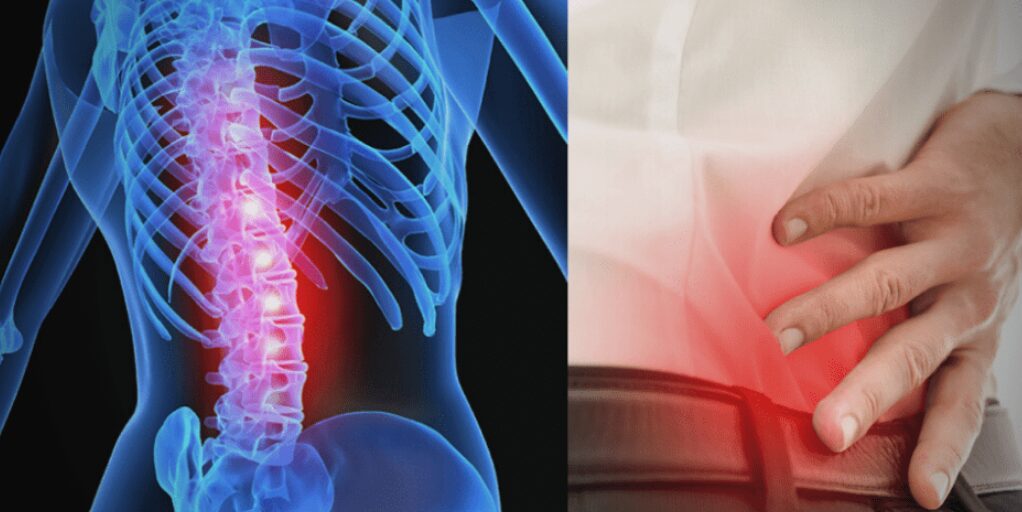
Your spine is a stack of bones with a tunnel running down the middle. That tunnel is the spinal canal, and your spinal cord and nerves travel through it. Stenosis means narrowing. So spinal stenosis is when the space in that tunnel, or the small openings where nerves exit, gets tighter.
Think of a hallway that keeps getting narrower while the same number of people still need to walk through it. Eventually, someone gets squeezed. In the spine, that “someone” is a nerve.
It happens most often in the lower back (lumbar stenosis) and in the neck (cervical stenosis). And here’s something many patients don’t know: some people have narrowing on their scan and feel nothing at all. Others have a lot of symptoms. So the picture on the MRI is only part of the story. That’s why I always say your spine is a functional unit. Discs, joints, ligaments, muscles, and nerves all work together, and they don’t hurt in isolation. You can read more in our page on Spine as a System.
Spinal Stenosis Symptoms
Symptoms depend on where the narrowing is, and they often build slowly. Some people don’t notice until it’s been going on for a while.
In the lower back, the classic pattern is pain, cramping, or heaviness in the buttocks and legs when you stand or walk, and it eases when you sit down or lean forward. That’s why the shopping cart feels good. Leaning forward opens up a little space. The medical name for this is neurogenic claudication, but the everyday version is simple: walking makes your legs feel bad, and sitting makes them feel better. You may also feel tingling, numbness, or weakness, and sometimes it looks a lot like sciatica.
In the neck, the picture is different. You may have neck pain, numbness or tingling in your arm or hand, clumsy hands, trouble with writing or buttons, or balance that just feels off. That last group deserves attention, because the spinal cord itself can be involved in the neck.
Now, one important thing, and I’ll say it plainly. If you have sudden loss of bladder or bowel control, numbness in the groin or inner thigh area, or weakness that is getting worse quickly, go to an emergency room. Don’t wait for an appointment with us. That is a medical emergency.
What Causes Spinal Stenosis?
Most of the time, it’s wear and tear that builds over many years. Joints develop arthritis and grow bone spurs. Ligaments thicken. Discs bulge or herniate and take up room. A spinal curve, an old injury, or a previous surgery can also play a part. It becomes more common as we get older, but age is not the only factor.
If any of this sounds familiar, our pages on degenerative disc disease, herniated discs, and facet joint pain cover the pieces that often sit behind stenosis. For a general medical overview, Mayo Clinic has a clear guide to spinal stenosis symptoms and causes.
How We Find the Real Source of Your Pain
Here’s where I slow down. Many patients tell me their visit was rushed, and someone only looked at the MRI. I don’t work that way.
I start with your story. Just talk about why you decided to make the appointment. What hurts, when it hurts, what makes it better, what you can no longer do. Then we do a thorough exam. Then, if we need it, we order imaging and labs. Let’s order some X-rays. Let’s see what we’re actually dealing with.
This is the Map step of the DR2SPINE Motion Method, and it matters because the narrowing you see on a scan may not be the only source of your pain. We map, and we look broadly. Whether your pain is mostly in the low back or the neck, the goal is the same: find the true source.
Spinal Stenosis Treatment Options: The DR2SPINE Motion Method
Every treatment plan at DR2SPINE follows five steps, in this order: Prime, Map, Target, Repair, Restore.
Prime. Before treatment, we get you ready. Sleep, body weight, activity level, and daily habits all affect how you respond. We want to make sure we’re not working on a patient who won’t benefit fully from our methods. Our 5-step healing prep checklist is a good place to start. Many people also begin with guided exercise, physical therapy, and small changes in how they move day to day, and that’s a sensible start.
Map. We covered this above. Real listening, a real exam, and a broad look.
Target. When we treat, we treat with precision, using ultrasound or fluoroscopy. We will not inject you without looking at what we’re doing.
Repair. This is where regenerative medicine comes in. We use what’s already inside you: your body’s own repair system. We just help it find the right address. Depending on your case, that can mean PRP (platelet-rich plasma from your own blood) or BMAC (bone marrow aspirate concentrate from your own bone marrow). Not sure which fits? Read PRP vs BMAC.
Now let me be clear about what I’m saying and what I’m not. I can’t promise a specific result, and I won’t tell you an injection will reopen a narrowed canal. What I look at is whether regenerative options make sense for the joints, discs, and surrounding tissues that are part of your pain. And about steroids: they calm pain and inflammation quickly, but over time they can damage tissue. I would not allow anybody to inject me with steroids, so I don’t ask my patients to accept that either. Before and after any procedure, I am super conservative. We also talk about the “metabolic dip,” the recovery lag after a procedure, and how essential amino acid support can help close that gap.
Restore. We don’t leave you alone. I am the physician who follows your plan of care. You are not treated once and left to figure it out. I’ll see you with those results, and we adjust the plan together.
When Surgery Is Part of the Conversation
Sometimes surgery is the right answer. If weakness is getting worse, or if symptoms are severe and nothing is helping, a surgical opinion is a fair next step. Because of my minimally invasive spine surgery background, I can tell you that plainly, and I can help you get to the right surgeon at the right time. If you want another set of eyes on a diagnosis you’ve already been given, we offer second opinions. And if you’re still deciding who to see, here’s how to find the right spine doctor.
Also, to be direct about the practice: DR2SPINE is a non-opioid, non-surgical option. If you’re looking for opioid management, we’re not the right fit, and I’d rather you know that before your visit.
Frequently Asked Questions
What is spinal stenosis?
It’s a narrowing of the spinal canal or the openings where nerves exit the spine. That can squeeze the spinal cord or nearby nerves and cause pain, tingling, numbness, or weakness. Learn more on our spinal stenosis page.
What are the most common spinal stenosis symptoms?
In the lower back: pain, cramping, or heaviness in the legs when standing or walking that eases when you sit or lean forward. In the neck: neck pain, arm or hand numbness, clumsy hands, or balance trouble.
What causes spinal stenosis?
Usually age-related wear and tear, such as arthritis, bone spurs, thickened ligaments, and bulging or herniated discs. Prior injury, spinal curves, or previous surgery can also contribute.
Can spinal stenosis be treated without surgery?
Many people start with non surgical care, such as exercise, physical therapy, activity changes, and guided treatments. At DR2SPINE, we also evaluate whether regenerative options fit your case. Results vary from person to person. Read about treatment beyond medication and surgery.
Does spinal stenosis go away on its own?
The narrowing itself is a gradual structural change, so it doesn’t usually disappear on its own. Symptoms can go up and down, though, and a good plan can help you stay active.
Do you use regenerative medicine for spinal stenosis in Tampa?
We evaluate each patient to see whether regenerative options such as PRP or BMAC make sense for their case. We do not promise specific outcomes.
When should I see a spine doctor?
If symptoms last more than a few weeks, affect walking or sleep, or keep returning, it’s time to get evaluated. See five signs you should see a spine specialist.
Here’s My Excitement
Here’s why I love this work. The body has a repair system. It’s real, it’s there, and we can support it with precision instead of guessing. Stenosis is not a life sentence to stop moving. It’s a problem with a source, and a source can be found.
Whether you’re on Bayshore, on a golf course, on a pickleball court, or just trying to get through the grocery store, you deserve a plan built around your life. Your back is not a standard problem. You have probably felt like a number. We don’t work that way.
If you’d like to talk, register here or call DR2SPINE at (813) 597-3405. Are you ready? Let’s go.
